A new client signs the contract. Everything is on track until they ask one question: “Can you handle our SEO too?”
You know it’s a valuable service. But hiring an in-house team takes time, money, and the right expertise.
That’s why many growing agencies turn to white label SEO. It lets them expand their services, deliver measurable results, and keep clients happy without building an entire SEO department from scratch.
The challenge is choosing the right partner. Some providers deliver consistent results and make your agency look good. Others overpromise, underdeliver, and put your reputation at risk.
To help you avoid costly mistakes, we evaluated some of the industry’s leading providers, comparing their strengths, limitations, pricing, and overall value for agencies.
In this guide, you’ll discover how white label SEO works, our top provider picks for 2026, the benefits of outsourcing SEO, and the key factors to consider before choosing the right partner for your agency.
Best White Label SEO Providers for 2026 at a Glance
| Provider | Best For | Local SEO | Technical SEO | Content Writing | Link Building | White-Label Reporting |
| The HOTH | Full-service SEO | ✅ | ✅ | ✅ | ✅ | ✅ |
| SEOReseller | Agency fulfillment | ✅ | ✅ | ✅ | ✅ | ✅ |
| DashClicks | All-in-one platform | ✅ | ✅ | ✅ | ✅ | ✅ |
| Vendasta | Multi-service agencies | ✅ | ✅ | ✅ | ✅ | ✅ |
| Boostability | SMB & local SEO | ✅ | ✅ | ✅ | ✅ | ✅ |
| FATJOE | Content & link building | ❌ | ❌ | ✅ | ✅ | ✅ |
| Stan Ventures | Link building | ✅ | ✅ | ✅ | ✅ | ✅* |
| PageTraffic | Enterprise SEO | ✅ | ✅ | ✅ | ✅ | ✅ |
What Is White Label SEO?
White label SEO is a partnership where a specialized SEO provider completes SEO work for your clients, but everything is delivered under your agency’s brand. Your clients see your company name on reports, emails, and deliverables, while the provider works behind the scenes.
Think of it like a web design agency that hires a freelance developer to build a custom feature. The client works only with the agency and never knows someone else wrote the code.
A white label SEO partner can handle tasks such as keyword research, on-page optimization, technical SEO audits, content creation, link building, local SEO, and monthly performance reporting. While they do the work, your agency manages the client relationship and communication.
This approach is popular because SEO requires skilled professionals, premium tools like Ahrefs and Semrush, and ongoing effort. Instead of hiring an in-house SEO team, agencies can partner with experts and expand their services more quickly.
The biggest difference between white label SEO and regular outsourcing is branding. A true white label provider delivers unbranded reports and client-ready deliverables, allowing your agency to take full credit for the work while maintaining a consistent brand experience.
Quick Read: Search Engine Basics Guide
Behind the Scenes: How White Label SEO Works
A white label SEO reseller handles the SEO work behind the scenes while your agency manages the client relationship. Your clients receive the results under your brand, creating a smooth and professional experience.
Here’s how the process typically works.
Partner with a White Label SEO Provider
The first step is choosing a reliable white label SEO provider that matches your agency’s needs. Once you partner with them, you’ll agree on service packages, pricing, communication methods, and branding. Most providers offer wholesale pricing, allowing you to set your own prices and earn a profit.
Understanding Client Needs
Once you sign a new client, you share important details with your white label SEO provider. This includes the client’s website, business goals, target audience, competitors, and target keywords.
Using this information, the provider creates an SEO strategy that aligns with the client’s objectives and your agency’s expectations.
SEO Audit and Strategy
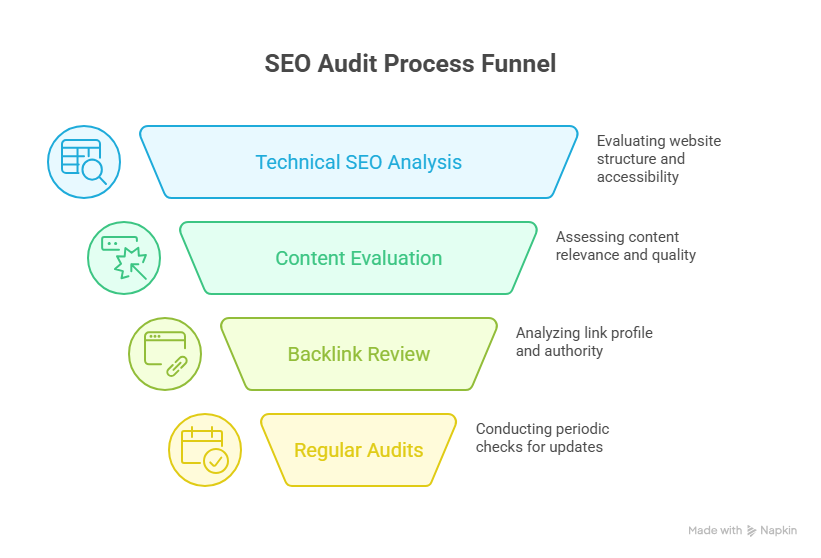
Next, the provider reviews the client’s website to identify SEO issues and growth opportunities. They check technical problems, content gaps, backlinks, and competitors before creating a clear SEO strategy. You receive this plan as a branded document that you can share with your client.
Execute the Campaign
Once the strategy is approved, the provider begins the SEO work. This may include optimizing website pages, creating content, building quality backlinks, and fixing technical issues. As the campaign progresses, you receive regular updates and can make changes based on your client’s goals.
Track Progress and Share Updates
The provider shares regular reports showing keyword rankings, website traffic, completed tasks, and the next steps. You can review these reports and share them with your clients under your agency’s brand. Some providers also offer dashboards where clients can track campaign progress in real time.
Scale Services as You Grow
As your agency gains more clients, your white label SEO provider can handle the increased workload. Many providers also assign a dedicated account manager to support your growing business. This allows you to focus on winning new clients and building stronger relationships while your partner manages the SEO work.
Top 8 White Label SEO Agencies in 2026
Every provider claims to be the best white label SEO company, but their services, support, and results can vary significantly. That’s why we’ve compared 8 leading providers to help you understand where each one stands and which agencies they’re best suited for.
1. The HOTH
Founded in 2010, The HOTH is one of the most recognized providers of white label SEO services. It offers everything from link building and content creation to fully managed SEO campaigns, giving agencies the flexibility to choose the services they need.
Over the years, it has built a strong reputation for its wide range of solutions and agency-friendly approach. However, because it manages a large client base, the overall experience and service quality may vary between campaigns.
The Good
- Offers fully managed SEO, local SEO, link building, content writing, and technical SEO services.
- Lets you order individual SEO services or complete managed campaigns based on your clients’ needs.
- Provides 100% white-label reports and deliverables with your agency’s branding.
- Includes a dashboard to manage orders, track campaign progress, and access reports.
- Supports agencies of all sizes, making it easy to scale as your client base grows.
- Offers wholesale pricing, allowing agencies to set their own profit margins.
- Backed by a large customer base and years of experience in white label SEO.
The Bad
- Some services are sold separately, which can increase the overall cost.
- Service quality may vary slightly between campaigns.
Best For
- Agencies that want to offer SEO without building an in-house team.
- Agencies that want to purchase individual SEO services instead of fixed monthly packages.
- Agencies managing multiple clients and needing a scalable fulfillment partner.
- Marketing agencies that need white-label reports and branded deliverables.
- Agencies looking for link building, content writing, and managed SEO from one provider.
Pricing
- Individual SEO services start at $40 for Content Refresh and $50 for Blog Content.
- Managed SEO plans start at $1,000/month.
- Technical SEO is available as a one-time service starting at $1,000.
- Link building services start at $150, while premium backlink packages start at $375.
- Digital PR services start at $1,500/month, and AI Discover starts at $5,000/month.
- You can purchase services individually or combine them based on your clients’ needs
2. SEOReseller
Founded in 2008, SEOReseller is one of the longest-running white label SEO providers. It offers a complete platform for agencies, including SEO services, white-label reporting, client dashboards, and sales tools.
Its all-in-one approach makes it a good choice for agencies that want to expand their SEO services without building an in-house team.
The Good
- Offers a complete range of SEO services, including local SEO, technical SEO, content writing, and link building.
- Provides a fully white-label dashboard with branded reports and campaign tracking.
- Includes proposal and website audit tools to help agencies win more clients.
- Offers lead tracking and agency tools to manage campaigns more efficiently.
- No long-term contracts or setup fees, giving agencies more flexibility.
- Wholesale pricing helps agencies maintain healthy profit margins as they grow.
- Provides training resources and dedicated support for agency partners.
The Bad
- The platform has a learning curve for first-time users.
- Smaller agencies may not need all the features it offers.
Pricing
- GBP Only SEO: Starts at $299/client/month
- Local SEO: Starts at $499/client/month
- National SEO: Starts at $699/client/month
3. DashClicks
DashClicks is an all-in-one platform built for marketing agencies. It combines white label SEO with tools for CRM, client reporting, project management, and sales. This makes it a strong choice for agencies that want to manage clients and deliver digital marketing services from one platform.
The Good
- Offers fully managed white label SEO, PPC, web design, and social media services.
- Includes a white-label dashboard with branded reports and campaign tracking.
- Provides built-in CRM, project management, billing, and client communication tools.
- Offers a branded client portal to manage campaigns and share reports.
- Combines agency management and service fulfillment in one platform.
- Easy to scale as your agency grows.
The Bad
- The platform has many features, so it can take time for new users to learn.
- Some advanced tools may be more than what small agencies need.
Best For
- Marketing agencies that want to manage clients and services from one platform.
- Agencies offering white label SEO and other digital marketing services.
- Growing agencies that need CRM, reporting, and project management tools.
- Agencies looking to automate client reporting and campaign workflows.
- Teams that want to scale without building a large in-house team.
Pricing
- White label SEO fulfillment pricing isn’t publicly listed. Contact the sales team for a custom quote
4. Vendasta
Vendasta is an all-in-one platform built for marketing agencies that want to sell and manage digital services under their own brand. Along with white label SEO, it offers tools for client management, reporting, online reputation, listings, and website services.
Its broad range of solutions makes it a good choice for agencies looking to grow beyond SEO
The Good
- Offers white label SEO, websites, reputation management, listings, and advertising services.
- Provides a fully branded platform with client dashboards and white-label reports.
- Includes built-in CRM, sales tools, billing, and client management features.
- Gives agencies access to a large marketplace of digital marketing solutions.
- Makes it easy to resell multiple services from one platform.
- Automates routine tasks, helping agencies save time as they grow.
The Bad
- Better suited for full-service marketing agencies than agencies focused only on SEO.
- Some advanced features and marketplace services require additional subscriptions.
Best For
- Agencies that want to sell multiple digital marketing services under one brand.
- Growing agencies looking for an all-in-one platform to manage sales, clients, billing, and fulfillment.
- Agencies serving local businesses with SEO, listings, reputation management, and websites.
- Businesses that want access to a large marketplace of white-label marketing solutions.
- Agencies planning to scale without building a large in-house team.
Pricing
- Contact the Vendasta team for a custom quote based on your service requirements.
5. Boostability
Boostability is a white label SEO provider that focuses on helping small and local businesses improve their search rankings. It offers services such as local SEO, keyword optimization, content creation, link building, and SEO reporting through its agency partner program.
Its scalable approach and affordable plans make it a popular choice for agencies managing multiple small business clients.
The Good
- Specializes in SEO for small and local businesses.
- Provides dedicated Partner Growth Managers and sales support for agency partners.
- Offers a white-label reporting dashboard with keyword tracking and campaign updates.
- Includes scalable SEO fulfillment designed for agencies managing multiple clients.
- Provides training and marketing resources to help agencies sell SEO services.
- Supports agencies in multiple countries and languages.
The Bad
- Focuses mainly on small and local businesses, so it may not be the best choice for complex enterprise SEO projects.
- Uses a standardized SEO approach, which offers less flexibility for highly customized campaigns
Best For
- Agencies serving small and local business clients.
- Marketing agencies that want to add SEO without hiring an in-house team.
- Agencies managing a large number of SEO campaigns.
- Partners looking for affordable, scalable white label SEO services.
- Web design agencies, hosting companies, and digital marketing resellers expanding their service offerings.
Pricing
- Direct SEO plans (publicly listed): $480, $900, and $2,000+ per month.
- SEO Reseller Partner Program: Wholesale pricing, but the reseller rates are not publicly disclosed. Agencies receive custom wholesale pricing based on their partnership.
6. Fatjoe
FATJOE is a white label SEO provider best known for its content writing and link building services. It works with thousands of agencies worldwide and offers a simple order-based system, allowing you to purchase only the services your clients need.
Its fast turnaround times and no-contract model make it a popular choice for agencies looking for flexible SEO support.
The Good
Specializes in white-label link building, content writing, digital PR, and local SEO.
- Offers 100% white-label services with no contracts or long-term commitments.
- Provides an easy-to-use dashboard to place, track, and manage orders.
- Offers transparent per-order pricing with fast turnaround times.
- Includes a money-back guarantee on your first order if you’re not satisfied.
- Trusted by thousands of agencies and has delivered over 250,000 orders since 2012.
The Bad
- Doesn’t offer fully managed SEO campaigns like some competitors.
- Best suited for individual SEO services rather than long-term SEO strategy.
Best For
- Agencies that need white-label link building and content writing.
- Businesses looking for fast, order-based SEO services without long-term contracts.
- Agencies that want to outsource digital PR and blogger outreach.
- Teams that prefer buying individual SEO services instead of managed SEO packages.
- Agencies looking for a simple, scalable fulfillment partner.
Pricing
- Uses pay-per-order pricing instead of monthly contracts.
7. Stan Ventures
Stan Ventures is a white label SEO provider that specializes in link building and managed SEO services for agencies. It combines U.S.-based account management with a large SEO delivery team, helping agencies outsource SEO while keeping everything under their own brand.
Its focus on transparent reporting and customized outreach makes it a strong choice for agencies looking to scale.
The Good
- Specializes in white-label link building and managed SEO for agencies.
- Uses manual outreach to build high-quality backlinks instead of PBNs.
- Offers 100% white-label services backed by an NDA.
- Provides a dedicated agency account manager for reseller partners.
- Includes a customizable dashboard to track campaigns and reports.
- Supports agencies with scalable SEO fulfillment and customized solutions.
The Bad
- Focuses heavily on link building, so agencies looking for an all-in-one marketing platform may need additional tools.
- Customized SEO campaigns can take longer to plan and launch than standardized SEO packages.
Best For
- Agencies that want to outsource link building and managed SEO.
- SEO agencies looking for manual outreach and high-quality backlinks.
- Teams that want full white-label delivery with NDA protection.
- Agencies that prefer customized SEO strategies over standard packages.
- Growing agencies that need a scalable SEO fulfillment partner.
Pricing
White label link building starts at $37 per placement, depending on the site’s DA/DR and traffic.
8. PageTraffic
PageTraffic is a white label SEO provider with more than 20 years of industry experience. It offers dedicated SEO teams, customized strategies, and white-label reporting for agencies.
It’s a good choice for businesses looking for long-term SEO support instead of one-time services.
The Good
- Offers fully managed white-label SEO services for agencies.
- Creates customized SEO strategies based on each client’s goals.
- Provides white-label reports that agencies can share with clients.
- Has over 20 years of experience in the SEO industry.
- Offers complete SEO services, including on-page SEO, technical SEO, content, and link building.
- Assigns a dedicated account manager for ongoing communication.
The Bad
- Focuses on managed SEO, so it isn’t ideal if you only need individual SEO services.
- Custom SEO strategies may take longer to plan than fixed SEO packages.
Best For
- Agencies that want fully managed white-label SEO services.
- Businesses looking for customized SEO strategies instead of fixed packages.
- Agencies serving local, national, or enterprise SEO clients.
- Teams that need white-label reporting and a dedicated account manager.
- Growing agencies that want to scale without hiring an in-house SEO team.
Pricing
- White label SEO pricing isn’t publicly listed. Contact PageTraffic for a custom quote.
Top Benefits of White Label SEO
Partnering with a white label local SEO provider lets you grow your agency without taking on extra operational work. Here are the biggest benefits agencies see.
- Launch SEO Services Without Hiring: You can start offering SEO even if you don’t have an in-house SEO team. Your partner handles the work while you manage the client.
- Take On More Clients Without Delays: You don’t have to reject new projects because of limited resources. Your white label partner helps you handle a higher workload.
- Keep Your Clients Under Your Brand: Reports, deliverables, and communication use your agency’s branding. Your clients continue working directly with you.
- Offer More SEO Services: You can provide technical SEO, content optimization, link building, local SEO, and SEO audits without building separate teams.
- Reduce Operational Costs: Hiring SEO specialists, buying premium tools, and training employees can be expensive. Outsourcing helps lower these costs.
- Focus on Client Growth: Instead of managing daily SEO tasks, your team can spend more time finding new clients and building stronger relationships.
- Get Consistent SEO Delivery: Experienced SEO teams follow proven processes, helping you deliver work on time across multiple client accounts.
- Improve Agency Profit Margins: You purchase SEO services at wholesale rates and resell them at your own pricing, creating room for higher profits.
White Label SEO vs. In-House SEO: Which Is Better?
| Factor | White Label SEO | In-House SEO |
| Cost | Pay only for the SEO services you need. No hiring, training, or expensive SEO tool costs. | Higher costs due to salaries, employee benefits, SEO tools, and ongoing training. |
| Expertise | Gives you access to specialists in technical SEO, content, link building, and local SEO. | Expertise depends on your team’s experience and available resources. |
| Scalability | Easily handles more clients without increasing your internal team. | Growing your team requires hiring, training, and additional time. |
| Control & Transparency | Your SEO partner manages campaign execution while keeping you updated through reports. | You have complete control over strategy, execution, and reporting. |
How to Choose the Best White Label SEO Provider
Not every white label SEO provider offers the same level of service or support. Use these points to find a partner that fits your agency’s goals.
Case Studies
Case studies show how a provider solved real SEO challenges for its clients. Look for details like the client’s goals, the SEO strategy used, and the results achieved. If a provider shares clear, data-backed case studies instead of just making claims, it’s a good sign they can deliver consistent results.
For example, LinkBuilder.io shares a case study where a career guidance website achieved over 14,500% growth in organic traffic within a year through strategic link building.
Pricing Models
Check how the provider charges for its services before you sign up. Some providers offer fixed monthly plans, while others charge per service or provide custom quotes.
If the provider also includes white label SEO software for reporting or client management, check if it’s included in the price or costs extra. A clear pricing model helps you plan your budget and maintain healthy profit margins.
Ethics and Transparency
Choose a provider that clearly explains how they work. They should tell you what SEO strategies they use, share detailed reports, and be honest about the results they achieve.
Regular progress updates and clear performance metrics make it easier to measure your SEO ROI and keep your clients informed.
Communication and Support
A reliable provider should keep you updated throughout the campaign. Look for regular meetings, quick responses, and a detailed white label SEO report that shows completed work, keyword rankings, traffic, and the next steps. Good communication helps you answer client questions with confidence.
Ranking Website
Check how well the provider’s own website performs in search results. If they can’t rank their own website for relevant SEO keywords, it’s harder to trust them with your clients’ campaigns.
You can use tools like Ahrefs or Semrush to check their organic traffic, keyword rankings, and overall SEO performance.
Transparent SEO Practices
Choose a provider that follows ethical, white hat SEO techniques approved by Google. Even if they use white label AI SEO tools to improve speed and efficiency, they should avoid risky practices like keyword stuffing, buying backlinks, or using spammy tactics.
Ethical SEO helps protect your clients’ rankings and delivers sustainable long-term results.
Reviews and Testimonials
Read customer reviews before choosing a provider. Look for feedback on service quality, communication, reporting, and results. You can also check trusted review platforms like Clutch, G2, or Trustpilot to see how other agencies rate their experience.
Consistent positive reviews are a good sign that the provider delivers reliable SEO services.
Common Mistakes to Avoid When Choosing a White Label SEO Partner
Avoiding these common mistakes can save your agency time, money, and unhappy clients. Keep these points in mind before choosing an SEO partner.
- Choosing the Cheapest Provider: Low prices may look attractive, but they often come with lower-quality services. Compare the provider’s experience, results, and customer reviews instead of focusing only on cost.
- Not Checking Their SEO Expertise: A good provider should understand technical SEO, on-page SEO, off-page SEO, and the latest Google updates. Ask about their process and request real case studies before making a decision.
- Ignoring Scalability: Choose a provider that can grow with your agency. They should be able to handle more clients and larger SEO campaigns as your business expands.
- Overlooking Communication: Regular updates and clear communication are essential. Make sure the provider shares progress reports, responds quickly, and keeps you informed throughout the campaign.
- Not Defining SEO Goals: Discuss your goals before starting the partnership. Whether you want higher rankings, more traffic, or better local visibility, both teams should agree on the success metrics.
- Ignoring White-Label Branding: Check if the provider offers branded reports and deliverables with your agency’s logo and name. This keeps your agency’s branding consistent across every client interaction.
Wrap Up
The best White Label SEO provider isn’t always the one with the most features or the lowest price. It’s the one that matches your agency’s goals, delivers consistent results, and makes it easier to serve your clients. Use the comparisons in this guide to choose a partner you can trust as your agency grows.