Outsource Backlink Building or Boost Ad Budgets: Finding the Right Marketing Mix

Outsource backlink building and paid advertising; both are beneficial for the business. If one helps generate instant leads, then the other helps build long-term organic growth. Finding the right balance between the two without exceeding the budget is the key to achieving revenue goals while maintaining brand visibility.

Introduction 

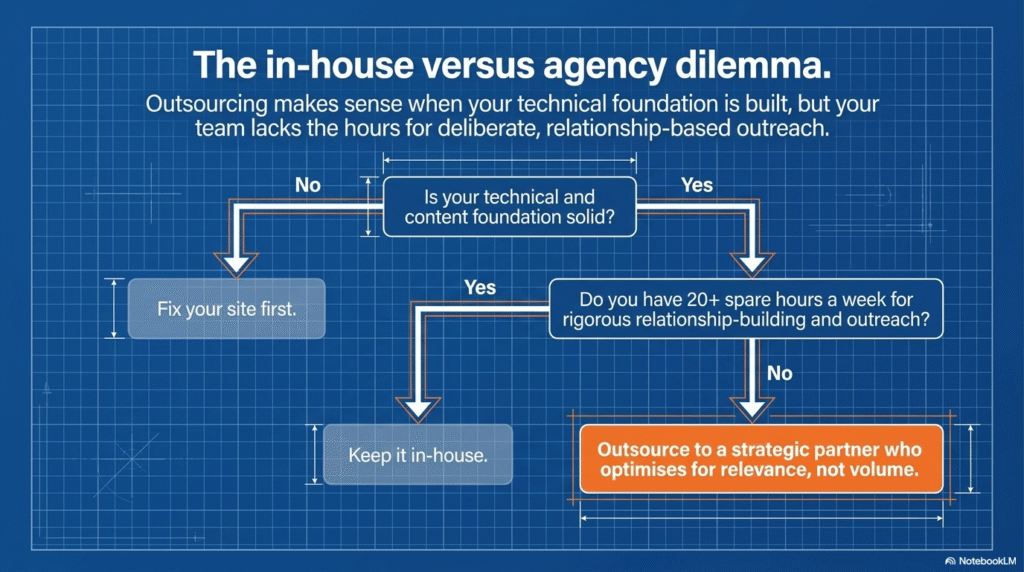
Backlinks and paid advertising both seem fascinating for the business. The dilemma begins when you find yourself constantly second-guessing whether to invest in outsourced backlink building or digital advertising to grow your business. 

Both digital marketing strategies have their own pros and cons. You just need to determine when to prioritize outreach vs when to prioritize paid advertising. At the end of the post, you’ll know exactly when to use these strategies for your business. 

Outsource Backlink Building vs. Paid Ads: Understanding the Key Difference

Outsource backlink building and paid advertising are the digital marketing strategies B2B businesses use to drive traffic and achieve desired ROI. Let’s evaluate the key differences to better understand them. 

What is Outsource Backlink Building? 

Outsource backlink building in digital marketing is the process of delegating backlink acquisition to expert link-building service providers. Businesses hire freelancers and agencies that specialize in acquiring inbound links to increase organic visibility and traffic. 

Link-building agencies have industrial connections and expertise that help you secure relevant link placements and improve your website’s authority and organic traffic. It streamlines and accelerates the entire outreach process.

What Is Paid Advertising? 

Paid advertising is the systematic process of buying ad placements on search engines, social media platforms, community forums, and publishers’ websites through reliable advertising networks to reach the target audience at the peak moments and maximize conversions.

Outsourcing Backlink Building and Paid Ads: The Pros and Cons You Can’t Miss… 

Delegating backlink acquisition and running online ads offers numerous benefits for the business. Some of them are listed below:

Outsourcing Backlink Building: Pros and Cons 

Pros  Cons 
You’ve an expert handling the entire link-building process.  It takes longer to show relevant results. 
You can constantly acquire high-authority backlinks.  If the outsource backlink building agency lacks expertise in your niche, you may struggle to acquire premium backlinks.
You can invest your time and efforts in other marketing strategies.  Outbound links may come from low DA sites that add little to no value to your SEO.
You don’t have to train your employees on the best SEO practices.   If the link-building service provider uses black-hat SEO tactics for outreach, you may incur penalties from search engines.
You don’t have to spend hours in the learning or hiring process. Link building through outsourcing requires months of consistent dedication, making it a more expensive digital marketing strategy.

Paid Advertising: Pros and cons 

Pros  Cons 
You can drive traffic to your website the moment you launch your campaigns.  Once you stop investing your budget, the flow of leads and conversions will automatically come to a halt.
You can perform precise targeting to reach the target audience.  In competitive markets like iGaming, finance, and healthcare, and in Tier-1 segments, the cost per click (CPC) tends to be high, which increases the overall cost per acquisition (CPA).
You can choose the actions you want to pay for, such as impressions, clicks, or conversions. Ad fatigue among users increases if frequency capping is not set accurately. 
You can easily find a cost-effective online advertising network based on your needs.  Consumers are increasingly skeptical of paid ads, often viewing them as biased or purely profit-driven. 

When to Prioritize Paid Ads vs. Outsourcing Backlink Building for Maximum Marketing Impact

Evaluate your business objectives, budget, target audience, market competition, and current needs to find the sweet spot and allocate your digital marketing budget precisely. You can prioritize paid ads and outsourced backlink acquisition when you want the following: 

Prioritize Paid Ads When: 

  • You need immediate conversions. 
  • You have a specific audience to target.
  • Your SEO presence is lacking. 
  • You have a dedicated budget for creative testing and optimization. 
  • Your industry keywords are harder to rank with organic SEO. 
  • You have a new business, product, or offer to promote. 
  • You need to run retargeting ads to reduce abandonment rates. 
  • You have dedicated landing pages with ad assets. 
  • You want to capture the audience’s attention with time-sensitive offers for seasonal events.  
  • You’re ready to invest in a self-serve advertising platform. 

Prioritize Outsourcing Backlink Building When: 

  • Your main objective is to build long-term sustainability and have sufficient budget for it. 
  • You want to improve search rankings and domain authority.
  • You have a lot of valuable content for link exchange. 
  • You can articulate, vet, and stay updated with the emerging SEO trends to ensure you’re paying for the right link placements. 
  • You don’t want immediate conversions. 
  • Your selected marketing niche is highly competitive and has high CPCs. 
  • Your SEO has broken down, and you need an expert who can perform white-label SEO techniques. 

Need a Proven Cyber Security SEO Strategy?

Explore our Cyber Security SEO Guide to learn how cybersecurity businesses can improve search visibility, attract qualified leads, and build long-term authority online.

-> Paid advertising is ideal for those targeting quick conversions and short-term traffic goals. You can appear across platforms and moments where your audience spends most of their time to strengthen brand recall, build trust, and generate revenue. 

-> Using link building is like quietly working behind the scenes to achieve long-term stability. Even if you stop allocating budget to the strategy, the earned link placements will continue to drive traffic to your website, helping you attract more potential leads and maintain your domain authority.  

Tip. Focus on strong internal linking, not just outbound links; it will help you engage your acquired traffic for longer and build trust.  Use a performance-driven PPC advertising network that allows daily budget control, scheduling, and postback tracking, such as 7SearchPPC

Find Your Right Marketing Balance! 

Allocate your budget based on your objectives. If you need instant leads and conversions, allocate more budget to paid advertising; otherwise, if you want to improve your organic ranking, traffic, and DA, allocate budget to backlinks. To determine whether the distributed digital marketing budget aligns with your business objectives, you can measure cost-per-action (CPA) and organic traffic growth. 

If your CPA is increasing and organic traffic remains stagnant, it indicates a need to reevaluate and adjust your marketing budget.  

Both strategies complement each other when budgeted thoughtfully. But if you randomly assign your marketing budget to any strategy, you might struggle to achieve the desired outcomes for your business. If needed, you can use both strategies simultaneously to increase conversions and build long-term domain authority.

Frequently Asked Questions (FAQs)

1. What are the effective ways to build outbound backlinks for the business? 

Create a list of websites with moderate to high domain authority and zero spam scores to approach for guest posts, mentions, and direct backlinks, or partner with a reliable outsource backlink building agency.

2. What are the digital marketing strategies that pay off for small businesses? 

Display advertising, SEO (Search Engine Optimization), content marketing, email marketing, social media marketing, white-label link building, and referral marketing are the digital marketing strategies that pay off for small businesses.

3. Should B2B businesses leverage outsource backlink building and paid ads altogether? 

Yes, using both digital marketing strategies is a smart move for B2B businesses, as it helps balance long-term and short-term revenue objectives.

4. What should I consider when choosing between outsourcing backlink building and paid advertising? 

Evaluate your business goals, target audience, budget, market competition, and expected revenue, and determine whether you have an immediate or long-term goal to fulfill.  

5. Should I stop spending ad budget if my SEO starts showing positive results? 

No, not completely. You can reduce your advertising budget during the off-season and gradually increase it for major events to quickly attract high-intent traffic and increase your ROI.

6. What to look for in an outsourced link-building service provider? 

Evaluate their market reputation, white-label SEO packages, pricing, and support availability when choosing your outsourced link-building service provider. 

How to Choose the Right SaaS SEO Agency in 2026: A Complete Guide for B2B SaaS Companies

In 2026, SEO isn’t just about getting keywords rank at the top of the search results. It’s about how signals such as structure, authority, clarity, and trust are now interpreted across search engines, how AI search makes your business more visible, how it grows your business through products, and how to use a full-funnel strategy. Choosing the right SaaS SEO agency can directly influence your pipeline, CAC, and long-term growth.

Why Do B2B SaaS Companies Need a Specialized SaaS SEO Agency?

B2B SaaS companies operate in a very different environment compared to eCommerce, local businesses, or traditional B2B services.  That’s why working with a specialized SaaS SEO agency isn’t just helpful, it’s often necessary for scalable growth.

SEO is not a one-size-fits-all strategy. The approach that works for a traditional business (like a local store, manufacturer, or service company) is very different from what works for a SaaS (Software as a Service) company.

B2B SaaS companies need a specialized SaaS SEO agency because of the following reasons:

  • A SaaS SEO agency tracks SEO performance against monthly recurring revenue, customer lifetime value, customer acquisition cost, and sales qualified leads, to make sure that organic traffic directly contributes to maintaining and increasing the recurring revenue.
  • To help prospects move seamlessly from research to demo or trial, they develop structured content for the awareness, comparison, alternative, integration, and BOFU stages.
  • SEO content is designed to inform, develop, and influence over time because B2B SaaS buyers conduct in-depth research and involve a number of decision-makers.
  • To guarantee appropriate indexing and visibility, they oversee intricate SaaS architectures such as feature pages, dynamic templates, app subdomains, and crawl budgets.
  • To compete with well-funded SaaS rivals and prominent review sites like G2 and Capterra, they create content that is intent-driven and authority-driven.
  • They turn customer FAQs, feature updates, integrations, and sales objections into high-intent SEO assets that encourage conversions.
  • They build an organic growth engine for compounding, long-term results using programmatic SEO, internal linking systems, and content clusters.

What Does a SaaS SEO Agency Actually Do?

SaaS SEO agencies work beyond the keywords targeting and content publishing. It creates a business designed for organic growth by generating qualified leads, demo bookings, and recurring revenue for subscription-based software businesses.

Unlike traditional SEO firms, it aligns content, technical SEO, product positioning, and revenue metrics to support the full B2B buyer journey from awareness to conversion and retention.

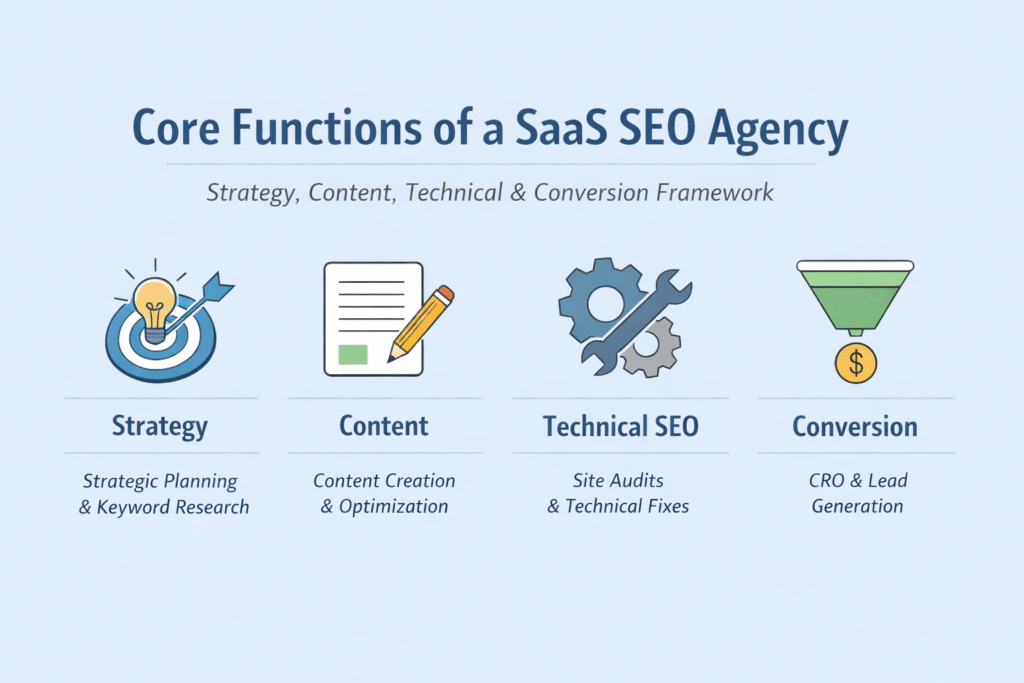
The Main Functions of a SaaS SEO Agency:

  • Creates an SEO Strategy Based on Revenue

links SEO efforts to pipeline, MRR, LTV, and CAC objectives rather than just traffic growth.

  • carries out in-depth keyword and intent research

finds comparison, integration, product-led, and high-intent keywords that draw in decision-makers as well as readers.

  • Produces Content for the Whole Funnel

creates BOFU landing pages, feature pages, use-case pages, comparison pages, “vs” pages, and awareness blogs to promote trials and demos.

  • Enhances SaaS Architecture Technical SEO

controls indexation, crawl budget, product templates, dynamic pages, app subdomains, and structured internal linking.

  • Increases Backlinks and Authority

acquires topical authority and high-quality backlinks to rival review sites like G2 and Capterra.

  • Develops Scalable and Programmatic SEO Systems

creates scalable landing page frameworks to promote compounding organic growth for use cases, locations, industries, and integrations.

  • Assists Sales and Product Teams

converts sales objections, product updates, and customer frequently asked questions into optimized content that accelerates the sales cycle.

  • Monitors Performance Using Revenue Measures

evaluates performance using more than just rankings or impressions; it also looks at pipeline contributions, revenue impact, demos, and SQLs.

Core Functions of a SaaS SEO Agency: Strategy, Content, Technical & Conversion Framework

functions of saas seo agency

Revenue-Oriented Keyword Approach

  • Targeting high-intent keywords that have a direct impact on demos, trials, and MRR (Monthly Recurring Revenue) rather than merely increasing sessions is known as the revenue-focused keyword strategy.
  • Keywords that are organized by funnel stage include BOFU (purchase intent), MOFU (solution evaluation), and TOFU (problem awareness) in order to direct users toward conversion.
  • Comparison pages, such as “X vs. Y,” are strategically created to attract high-intent traffic and buyers who are actively assessing competitors.
  • Alternative Pages: aims to attract unhappy rival users by focusing on “Best alternatives to X” searches.
  • In order to draw in solution-conscious prospects, feature-led SEO content creates SEO pages centered on the main features, advantages, and integrations of the product.

Content Strategy for SaaS

  • To increase topical authority and boost rankings, the Pillar + Cluster Model creates reputable pillar pages backed by interconnected cluster content.
  • Product-Led SEO aims to naturally direct traffic toward signups and demos by aligning content with product features and use cases.
  • Bottom-of-Funnel Landing Pages: These optimize high-intent pages that are centered around pricing, demos, trials, and solution-based queries.
  • Use Case Pages: These pages are tailored to a particular industry and role in order to draw in qualified leads who are looking for customized solutions.

Technical SEO for SaaS Websites

  • Site Structure for Scaling: To facilitate future growth and programmatic expansion, a logical, scalable URL and internal linking structure are designed.
  • In order to make sure search engines give priority to high-value pages, crawl optimization controls crawl budget, indexation, and technical directives.
  • Managing Dynamic Pages: Enhances template-driven and dynamically produced pages (such as industry pages or integrations) for appropriate indexation.
  • Core Web Vitals: Enhances user experience and rankings by improving site speed, stability, and performance.

Conversion Optimization

  • Demo Page Optimisation: Improves demo landing pages by adding trust signals, CTAs, compelling messaging, and reducing friction.
  • Trial Signups: Enhances signup and onboarding processes to boost the number of people who activate free trials.
  • Lead Magnet Offers: Captures and develops qualified leads through the use of gated resources (eBooks, templates, webinars).
  • Attribution tracking accurately measures the impact of demos, SQLs, and revenue by integrating SEO performance with CRM and analytics tools.

Key Traits of the Right SaaS SEO Agency

A right SaaS SEO agency provides a clear 6-12 month roadmap, laying out the full plan to ensure you’re in good hands. You’ll see real results in their work. They will not make false promises regarding instant results or vague growth over time. Instead, the right SaaS SEO agency will ensure you by showing similar SaaS clients’ case studies with real revenue impact, like increased qualified leads or pipeline growth, rather than just vanity metrics such as raw traffic.

Non-Negotiable Traits of B2B SaaS SEO Agency:

1. Proven B2B SaaS Case Studies

Reputable SaaS SEO firms need to display actual outcomes from other B2B SaaS businesses.

They are required to give evidence of:

  • Growth in natural traffic.
  • Increase in demo requests.
  • More people signed up for free trials.
  • A rise in Monthly Recurring Revenue.
  • Pipeline expansion from natural search

It is insufficient for an agency to display traffic screenshots with no effect on revenue.

A proficient B2B SaaS SEO firm links SEO initiatives to commercial outcomes.

2. Understanding of CAC, LTV & MRR

SaaS companies are supposed to understand the following matrices: 

  • CAC (Customer Acquisition Cost): The cost required to acquire a customer.
  • LTV (Lifetime Value): To understand how much revenue is generated per customer over time.

  • MRR (Monthly Recurring Revenue): To understand predictable recurring income.

The right SaaS SEO agency understands how SEO helps to:

  • Reduce CAC by lowering paid ad dependency

  • Increase LTV by targeting high-intent users

  • Grow recurring revenue through organic acquisition

If the agency talks only about rankings and backlinks, they may not understand SaaS growth.

3. Revenue Reporting, Not Just Rankings

Many agencies focus on Keyword rankings, Traffic increase, and Domain authority. But the best SaaS SEO agencies report Organic demo conversions, Trial signups, Sales-qualified leads (SQLs,) and Revenue influenced by SEO

Rankings are important, but revenue is the real goal.

Your SEO agency for SaaS should track performance from keyword → traffic → demo → revenue.

4. Strong Content and Technical SEO Team

SaaS websites are often complex. They include:

  • Product pages

  • Use case pages

  • Feature pages

  • Integration pages

  • Comparison pages

A strong SaaS SEO agency must have:

  • Content strategists

  • Technical SEO experts

  • SaaS-focused writers

  • Experience with structured site architecture

Content without technical SEO will not rank. Technical SEO without strong content will not convert.

You need both.

5. Transparent Process and Clear Communication

The right SaaS SEO agency works with transparency.

They should provide:

  • A clear strategy

  • Monthly deliverables

  • Regular reporting

  • Clear KPIs

  • Ongoing performance updates

You should always know what work is being done and how it supports your SaaS growth.

6. Clear 6–12 Month SEO Roadmap

For SaaS businesses, SEO takes time. A competent SaaS SEO company will offer a detailed roadmap for the next six to twelve months.

This roadmap ought to comprise:

Months 1-2: 

  • Audit of the website
  • Research on competitors
  • Strategy for keywords
  • Technical solutions

Months 3–6: 

  • Release content at the bottom of the funnel
  • Make product pages more efficient.
  • Begin constructing links.
  • Scale content clusters in months six through twelve
  • Establish authority
  • Boost conversion rates
  • Investing in SEO takes time. There is no clear direction in the absence of a roadmap.

Best SaaS SEO Agencies in the US

Backlinks Matters: For White Label Link Building

backlinksmatters the backlink building agency

Backlinks Matters is a dedicated link building and SEO services agency focused on helping businesses improve their search engine visibility and organic rankings through high-quality backlink acquisition, outreach, and content marketing.

They have specialization in building relevant, permanent do-follow backlinks that strengthen domain authority and drive sustainable traffic growth.

Their Services include:

  • Seo Outreach 
  • White label link building
  • Niche edit service
  • Keyword research service
  • Guest Posting Service
  • Blogger outreach service
  • Link building service
  • In-house link-building service
  • Outsource link building service

Apart from these services, they offer customized SEO packages as per the client’s requirements.

TrustPilot Ratings: 4.0 / 5

TripleDart: For Revenue-Driven SaaS Marketing

tripledart

TripleDart is a B2B SaaS SEO company that uses performance-driven SEO, content, and demand-generation tactics to produce quantifiable outcomes.

They specialize in building scalable organic acquisition systems that align SEO with product positioning, sales funnel stages, and revenue metrics like MRR and pipeline contribution.

Their Services include:

  • SaaS SEO strategy
  • Content marketing for SaaS
  • Product-led growth marketing
  • Demand generation
  • Paid media for SaaS
  • SEO + Content integration
  • Conversion-focused landing pages
  • Marketing analytics & attribution

Apart from these services, they offer customized SaaS growth frameworks tailored to different funding stages

Trustpilot Ratings: 4.8 / 5

Quoleady: SaaS Content Marketing Agency

quoleady

Quoleady is a SaaS-focused SEO and content marketing agency that uses authority backlinks and thoughtful, outstanding content to help software companies scale organic growth.

They specialize in thought-leadership content, data-driven link building, and SEO content strategies that attract high-intent traffic and support long sales cycles typical in B2B SaaS.

Their Services include:

  • SaaS SEO
  • Content strategy development
  • SEO blog writing
  • White-hat link building
  • Guest posting
  • Digital PR
  • Content repurposing
  • Landing page optimization

Apart from these services, they provide tailored content marketing programs designed specifically for SaaS startups and scaling tech companies.

Trustpilot Ratings: 4.9 / 5

How Long Does SaaS SEO Take to Show Results?

There is no magic trick to get instant results. SaaS SEO is a long-term growth strategy; it requires time to build authority,  improve rankings, and earn trust from search engines. Typically, SaaS companies begin seeing early signs of progress within 3 to 6 months, while meaningful pipeline and revenue impact usually takes 6 to 12 months.

Initially, they focus on technical optimization, keyword research aligned to the sales funnel, competitor analysis, and publishing high-intent content. All these efforts are not for the traffic increase.

As the months go by, optimized pages start to rank for pertinent keywords, particularly bottom-of-funnel queries that lead to free trial signups and demo requests. Strong internal linking, regular content publishing, and the acquisition of high-quality backlinks all contribute to the development of domain authority by the six to twelve-month mark.

This is the time when SaaS SEO starts booming, organic traffic increases, ranking improves faster, and the channels start contributing to conversions and customer acquisition. Then, after a year of executing these efforts, SEO would become the best channel among all.

Wrapping it up: Choosing the Right SaaS SEO Agency

SaaS SEO is no more about simply ranking the keywords, It’s more about building a revenue-driven, full-funnel organic growth engine that directly impacts pipeline, CAC, LTV, and MRR(Monthly Recurring Revenue). SaaS SEO agencies work in a complex buying environment where multiple stakeholders research deeply before booking a demo or getting a trial. That is why choosing the right SEO agency is critical nowadays. 

The ideal SaaS SEO agency creates a robust technical architecture, builds intent-driven content across awareness to BOFU stages, comprehends SaaS economics, and links every SEO endeavor to quantifiable business results.

PBN Links in Modern SEO: Reality, Risk & Relevance (2026 Guide)

PBN links are still a hot topic in SEO. Even in 2026, it is still a topic that triggers a debate: Are PBN links effective? Should I consider this strategy? Are they risky?  Or this strategy is no longer in practice in the era of AI search and advanced spam detection.

​In this article, we are going to take a deep dive into discussing PBN (Private Blogs Network) links in modern  SEO. No matter whether you are a business owner, marketer, SEO analyst, or content creator. We will try to cover all the details regarding PBN links, what strategies were used earlier for them, and now over the period of time.

Why Are PBN Links Still Discussed in SEO Today?

PBN link methods are still a hot topic to discuss in today’s SEO because it acts as a kick start for newly established websites. Lots of marketers are still wondering whether PBN links are still an effective strategy in an actively evolving SEO environment. Like many marketers, SEO professionals have used PBN link tactics successfully in the past.

But also, there is a high risk with this method, as it can lead towards the long term SEO consequences. 

No doubt it increases the domain authority (DA) and search rankings of websites quickly, but at very high risk, as soon as Google detects the PBN links, the website has to face some consequences, such as:- 

  • Manual penalties and algorithmic demotions in ranking( it would be visible on your associated Google Search Console).
  • Deindexing of all the links that are coming from the PBN websites and overnight vanish all your rankings gained with your SEO.
  •  It may hinder your partner’s and clients’ trust, and also result in a loss of reputation in the market.


Why SEO Professionals Still Experiment With PBN Links?

Some SEO professionals continue to use PBN link tactics despite their known risks. As organic link building through outreach, internal linking, and all these kinds of methods take time to reflect the results. Since the marketers have certain deadlines to meet, they still experiment with PBN links, but these experiments undergo precautions, controlled and calculated.

These PBN links are typically tested on non-critical or low-priority websites so that, even if Google detects and penalises them, there is no negative impact on the core business or its primary online assets.

Are PBN Links a Legacy Tactic or an Ongoing SEO Shortcut?

PBN links are considered a legacy tactic lately, but some marketers or SEO specialists view them as an SEO shortcut. Earlier, PBN links were highly effective because search engines relied heavily on link volume with anchor texts. But now things have changed, Google algorithms have evolved to focus on link quality, relevance, and trust.

Now PBN strategy of building website authority serves as a reference point of outdated SEO practices rather than a growth strategy. Sustainable SEO success is now based on EEAT (Experience, Expertise, Authoritativeness, and Trustworthiness). It helps search engines like Google to determine whether the content is reliable, relevant and helpful to the end user.

What are PBN links?

PBN links (Private blog network links) are the backlinks formed by a network of websites owned by the same individual or organisation. These are groups of websites or expired domains consisting of backlink authority to pass the link to the main website.

The link that points from the website networks to the main website is called a PBN link. This tactic is used by the owners/marketers/SEO just to improve ranking, not intentionally to help users. That is why Google considers it a policy violation and considers it spam.

Google considers PBN links as a kind of “link scheme” (to trick Google’s ranking algorithm) because it passes the authority to the main website. A website links to another website in order to provide related and useful content to the end user. 

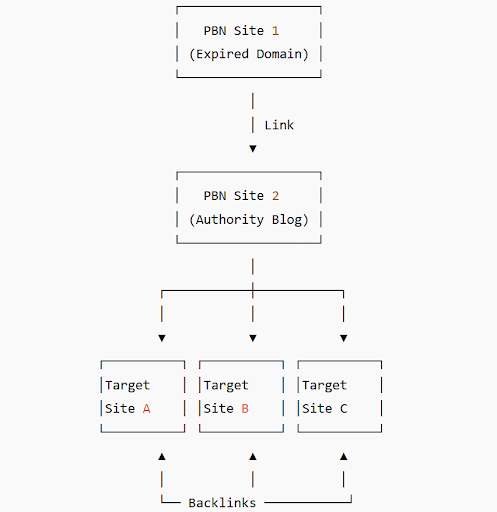
PBN flow

With the help of the above image, we are going to take a deep dive in order to understand the working of PBN links.

So, the above figure is about how the link is flowing from a PBN website (expired domain) and how authority and link equity are artificially distributed from multiple controlled websites to a target website.

  1. So, as you can see in the above figure, the link is flowing from the multiple PBN websites (It could be multiple), these are the expired domain websites with existing backlink authority, in the graph, they appear as multiple source points linking outward. 
  2. All outgoing links from PBN sites that are intentionally placed by the SEO professionals, as they control: Anchor text, Link placement (contextual, footer, sidebar), Link frequency and timing. These controlled behaviours are flagged by Google as they are unnatural.
  3. The main site is sitting at the end of the graph, as you can see (the target website), it receives the backlinks from several PBN websites in order to boost authority artificially, as they are detectable by the search engines.
  4. You can also see several PBN sites linking to each other before linking to the target site. This is done intentionally to simulate relevance and strengthen perceived authority, but it increases footprint risk if patterns are identified.

How PBN Links Are Different From Natural Editorial Links

The main difference revolves around intent and autonomy. Natural editorial links are given by independent publishers because the content is helpful to their audience. These links are motivated by relevance, trustworthiness, and authentic endorsement. 

On the other hand, PBN links are intentionally placed by the site owner. The linking site and the linked site are not truly independent of one another, despite appearances. This absence of genuine editorial decision-making makes PBN links unnatural from the perspective of search engines.

Want to Build Authority Without Chasing Collaborators?

Backlinks Matters focuses on relevant, industry-specific placements that support long-term authority rather than quick wins.

The Real Intent Behind Building PBN Links

The real intent behind PBN links is control. Control over anchor text, link placement, link velocity, and the number of referring domains. This level of control allows SEOs to influence ranking signals faster than traditional link-building methods. PBNs are often used to bypass the time, effort, and uncertainty involved in earning organic backlinks through content marketing or digital PR.

However, this control comes at the cost of long-term trust, making PBNs a short-term tactic rather than a sustainable SEO strategy.

Ownership-Controlled Links vs Earned Authority Links

PBN links

Ownership-controlled links are those that are completely controlled by the same individual or organisation that controls both linking and receiving websites. The main purpose is to transfer the authority and get ranked over search results, not to recommend helpful content to the user.

Earned authority links, on the other hand, are a result of merit. They are created to provide links to useful, trustworthy, or authoritative content. These links build long-term credibility and remain in favour of algorithm updates, making them the foundation of sustainable SEO growth.

How PBN Links Work in Search Engine Ranking Systems?

PBN links manipulate authority signals based on links in an artificial way in order to improve rankings. Search engines use backlinks to check the website’s credibility, relevance, and authority. PBNs are created to take advantage of this system by directing link equity from several websites that seem independent but are actually managed by a single entity.

Within a PBN structure, SEO professionals use old or expired domains consisting of accumulated backlinks. These domains are restored with new content so that they can appear legitimate and can be directly linked to the targeted website using strategically chosen anchor text and placements.

Why PBN Links Can Temporarily Influence Rankings

When PBN links are first discovered, algorithms may initially assign value based on historical authority, relevance, and link context. This creates a sudden rise in ranking, leading some SEO practitioners to believe the strategy is effective. However, search engines started to analyse link patterns, ownership footprints, and unnatural behaviours. PBN links are either devalued or penalised. When this happens, ranking gains disappear, sometimes suddenly.

BUT!!!

True SEO success comes from earned authority links that build trust over time, according to algorithm updates. PBN-driven results, by contrast, are temporary and unstable, making them unsuitable for long-term, growth-focused SEO strategies.

How Google Evaluates PBN Links in 2026

Google uses a combination of advanced link assessment, pattern recognition, and AI-enhanced spam-detecting algorithms to examine PBN links. In contrast to previous years, Google no longer relies entirely on manual penalties to address manipulative link building. Rather, it gradually reduces the value of questionable connections in a covert way, reducing their efficacy without alerting the owner of the page.

Google looks at things including anchor text distribution, hosting circumstances, link growth pace, domain ownership trends, and previous linking activity. Google may ignore links entirely if a group of websites seems to be run by a single organisation and are primarily used to transfer authority. Although manual punishments can still be applied in more severe circumstances, this strategy is no longer the main one.

Common Footprints That Expose PBN Links

Even with careful construction, the majority of PBNs leave noticeable traces. By examining both technological and content-based trends among connecting websites, Google detects these signals.

Similar IP ranges, DNS patterns, shared hosting providers, and frequent use of CMSs or themes are examples of technical footprints. Combined patterns greatly raise the likelihood of discovery, even if these signals might not cause action on their own.

Content footprints are just as important. Strong signs of a PBN include thin content, irregular posting frequency, repetitive templates, and strange outbound linking behaviour. It becomes hard to ignore a pattern when several websites post generic material yet link out with well-optimised anchor text.

Link velocity and anchor text modification are two more significant footprints. Common warning signs that reveal PBN activity include links heading mostly to a single target website, frequent keyword-rich anchors, and abrupt spikes in backlinks.

The Real Cost of Using PBN Links

The actual price of PBN connections goes much beyond their initial ranks. Maintaining a PBN entails ongoing costs for things like hosting, content production, domain renewals, and security monitoring. The expense of keeping a network “hidden” is going up as its efficacy decreases as Google’s identification gets better.

Instead of spending money on the PBN links maintenance, if spent on content creation, organic link building and other authority-building collaborations, then the benefits would be permanent.

From a brand perspective, the risk is even higher. If PBN usage becomes associated with a business, it can damage trust with clients, partners, and stakeholders. For agencies and B2B brands, this reputational risk often outweighs any short-term SEO gains.

Final Verdict: Are PBN Links Worth the Risk in 2026?

In today’s SEO environment, PBN links are no longer a reliable source of growth. While they may still deliver temporary ranking fluctuations in low-competition or experimental scenarios, they fail to provide consistent, scalable, and sustainable results.

Earned authority links and trust-based signals surpass PBNs in every important criterion for long-term SEO performance, particularly in competitive or brand-driven environments: stability, visibility, credibility, and resistance to algorithm modifications.

To put it briefly, PBN linkages are risky and have diminishing returns. Using deceptive link strategies turns into a long-term liability rather than a quick fix as search engines continue to place a higher priority on legitimate authority and user value.

Buying Backlinks in 2026: Safe, Smart, and Scalable

Backlinking, as we know, primarily impacts your traffic and ranking on SERPs (Search Engine Result Pages). Although Google recommends natural link building, white hat SEO is adopted by almost all big brands and websites. Sometimes, some brands buy backlinks. 

While many search engine optimizers say buying backlinks is unethical, others argue it is an effective backlinking strategy. 

Key Takeaways
  • 94% of SEO experts believe that link quality is more important than quantity.
  • 52% of marketers think that link building is the most difficult aspect of any SEO campaign.
  • 42% of individuals spend equal time in building both internal and external links.
  • It usually takes a quarter to reap the benefits of generated links in ranking on SERP.
  • 89% of digital marketers curate content with the specific goal of building links.
  • Digital marketers usually spend 28% of their budget on link-building efforts.
  • It is said that 30-35 backlinks generate 10,500 visits per month. Longer content gets more backlinks than shorter content.
  • About 89% of digital marketers think that nofollow links have a positive impact on rankings.

Some SEO professionals might think it is outdated and risky to buy backlinks. Others say that it is the only way to survive in today’s competitive niche. But in reality, the truth lies somewhere in between. 

Yes, when websites buy backlinks, they get faster visibility, but only when you work with the correct backlink-building agencies and follow safe practices. 

Table of Contents

Let’s understand why websites buy backlinks. 

Imagine the internet as a massive community, where every website is a house. And, you have just moved in, you want the people to know you exist. Ideally, you could wait for months, hoping neighbors notice you, or you could ask a few well-known people of the community to introduce you around.

That’s exactly why websites buy backlinks. It’s like getting an introduction from respected neighbors of the community. Their recommendation makes others trust you easily, helps more individuals discover your “house,” and saves you the struggle of proving yourself from scratch.

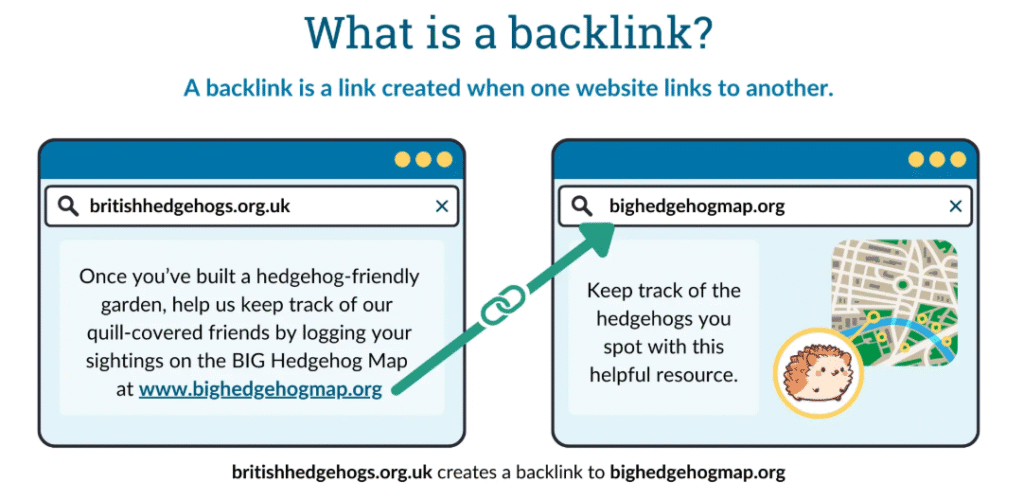
what is a backlinks

Websites buy backlinks to gain visibility, trust, and traffic from reputable websites of a higher domain authority. 

In a nutshell, link buying is the process of actively increasing the number of backlinks to your website from third-party reputable websites. Backlinks help search engines to explore web pages and secure higher ranks in SERPs. A backlink is like a citation. It is like a web reference to the main web source or website, or web page, giving the viewer the clarity that is often required during the research of any topic. Backlinks are a significant part of any content-creating process.

The more backlinks you have, the higher you rank! But the benefits of buying backlinks don’t end here. There are more benefits mentioned below.. 

Improved Rankings

Search engines are said to consider the number of backlinks your site has when ranking it on SERP.  This is the sole motive behind digital marketers to buy backlinks. In a more competitive environment, this becomes better for e-commerce websites. 

Let’s now understand the impact of backlinks. According to expert studies – 

  • The marketing team of Backlinko says the number one pages of Google’s SERP have more than 4 times the backlinks as those that rank in second or third position. 
  • Authority Hacker swears by the fact that “ when websites buy backlinks, they consider it to be a significant element that directly correlates with SEO success.”
  • Ahrefs, on the other hand, argues that backlinks are the most essential ranking factor. 

Enhanced Traffic Over Websites/Webpages 

As we have already discussed, when websites buy backlinks, it directly improves their ranking on SERP. When websites/webpages appear at the top of the SERP, they will naturally gain more traffic. 

As per studies, it is observed that “ the first position on Google gets around 39.6% of clicks. That’s more than double second place, which gets about 18.4%. And, finally, the tenth position gets just 2.1%. This makes it even more essential to improve ranking. 

What are the Risks when Websites Buy Backlinks?

  • Links placed poorly can trigger algorithmic hits, causing Google Penalties.
  • Mostly low-quality sites or non-essential placements deliver little to no Return On Investment, wasting the company’s budget.
  • When a brand’s webpage appears on spammy websites, it not only affects its credibility but also damages the brand’s image.
  • If you see a company that is bulk-buying from unauthorised sellers, their SEO success is very short-lived, and so is their ranking.
  • Including toxic links often requires audits, disavowals, and extra spending.
BONUS CONTENT: What Is the SkyScraper Technique?

The Skyscraper technique is a link-building space strategy for content marketing. The objective is to improve search engine rankings by finding top-rated content, then creating a significantly better version, and reaching out to the source website to get them to link to your new content instead. 

This is a three-step process – 
  1. Identify popular content with many backlinks
  2. Curate a better piece of your own, and 
  3. Then contact the websites linking to the original website, asking them to promote your significantly better content. 

While many websites or agencies can buy backlinks on your behalf, it is also essential to identify which ones will be beneficial for your brand and which ones will make your brand look spammy and lose its credibility. 

Hint: To find the perfect backlink services company, determine if their niche is similar to yours. 

Let’s look at places to buy backlinks. Here is the list of the five best places to buy backlinks – 

  1. Backlinksmatters 

buy backlinks by backlinksmatters

Backlinksmatters is a newly launched content marketing agency in the link-building space that looks for ways to help you promote your brand by adopting SEO techniques like guest post services (with their guest post management, you can easily boost your brand’s search visibility, organic traffic, and domain authority), and link building packages (their link building packages are designed to help brands strengthen their domain authority, and buy backlinks from real and relevant websites).

  • Founded In 2025.
  • Headquarters: Lucknow, India.
  • Services They Offer: Guest Post Services to boost your brand’s organic traffic, and provide aid to brands interested in buying backlinks with no effort. 
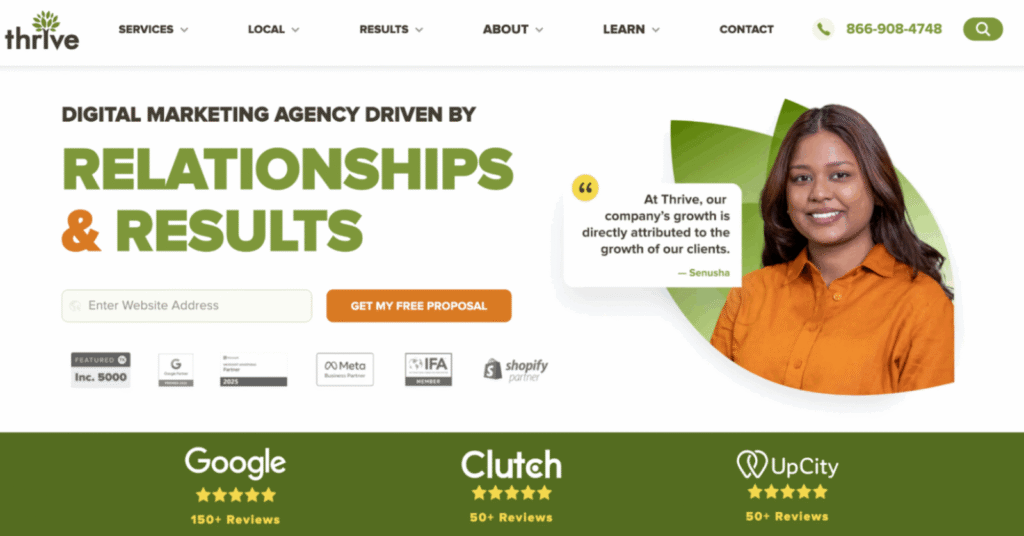
  1. Thrive Internet Marketing Agency 

Thrive Internet Marketing Agency

Thrive Internet Marketing Agency is known to adapt to an evolving AI-driven search environment, and is amongst the best places to buy backlinks. While other successful SEO agencies evolve to reward intent-rich results, Thrive focuses on applying a data-driven model that gives importance to link acquisition strategies built to succeed in Generative Artificial Intelligence (AI) environments. 

  • Founded in: 2005
  • Headquarters:  Arlington, Texas.
  • Services They Offer: SEO & AI SEO Strategies, Digital Public Relations (PR), Content Marketing, and helps Websites Buy Backlinks. 
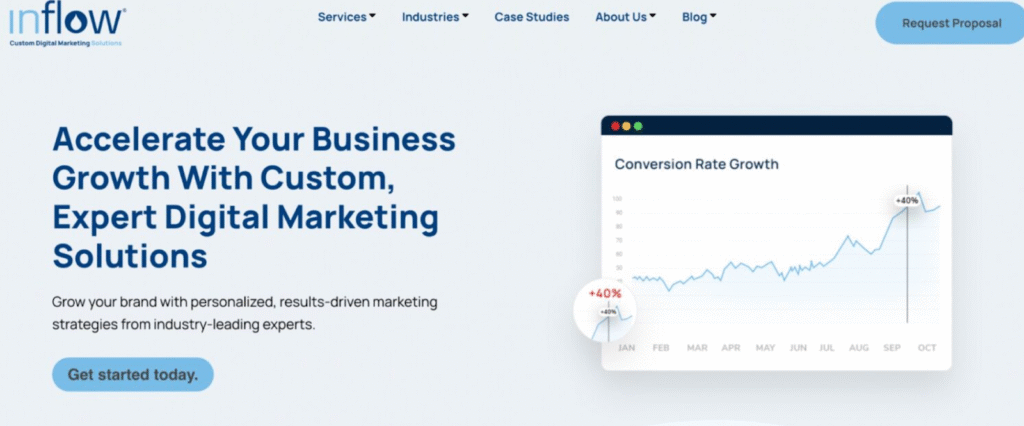
  1. Inflow

inflow

Inflow is a digital marketing agency that is known for its deep eCommerce SEO & link-building expertise. The primary objective of this agency is to help websites acquire high-quality backlinks and link placements over product review platforms, digital magazines, and reputable lifestyle publications. 

  • Founded In: 2007.
  • Headquarters: Denver.
  • Services they provide: eCommerce link building, SEO strategies like competitive gap analysis, and content-driven backlinks. 
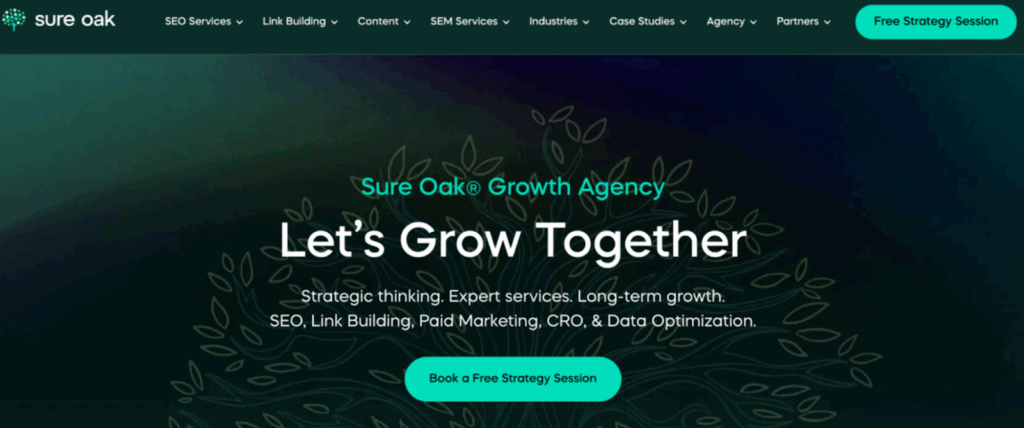
  1. Sure Oak

Sure Oak

The Sure Oak is a recognized and reputable US-based link-building agency with a growing social presence. Their team takes great pride in building a good reputation by adopting white-hat outreach strategies for their clients. 

  • Founded In: 2017
  • Headquarters: New York.
  • Services they provide: Guest posting, content-driven backlinks, and digital PR.
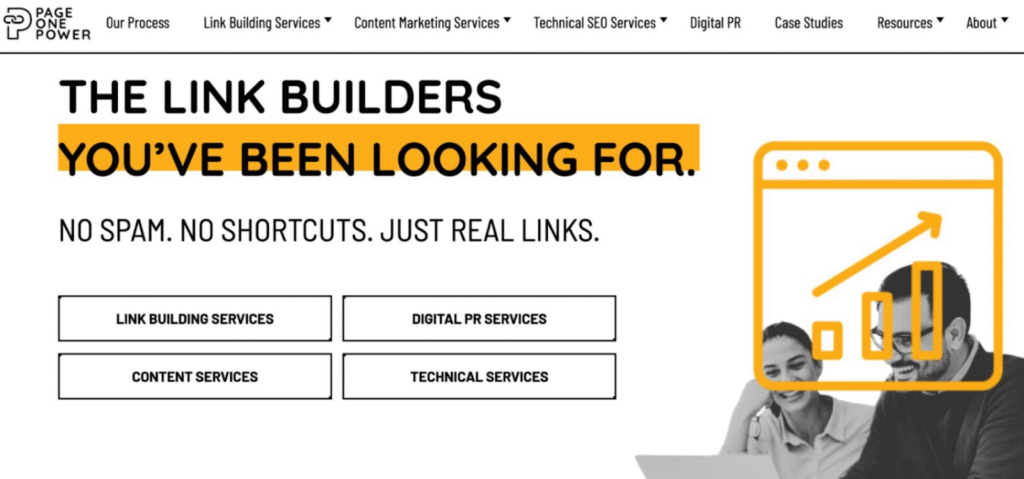
  1. One Page Power

One Page Power

One Page Power is a digital marketing agency that helps websites buy backlinks without compromising on the quality standards. Their in-house content marketing team assesses high-quality backlinks while collaborating with SEO strategists to curate linkable assets customized to fit your website’s niche. 

  • Founded in: 2010.
  • Headquarters: Boise, Idaho.
  • Services they offer: Custom Backlink Campaigns, Backlinks Audit, and Link Reclamation.

Before you buy backlinks, treat the entire process like choosing a trusted vendor for an important event. 

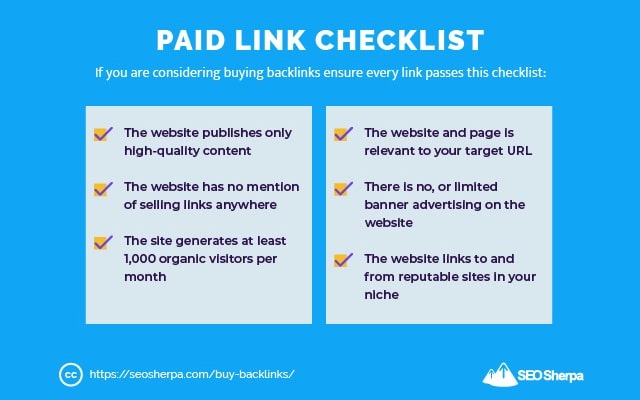
buy backlinks checklist

The right choice elevates everything, and the wrong choice creates chaos. Here is a checklist you must follow before you, buy backlinks for your website. 

  • Always choose quality over quantity. A couple of high-authority links are better than dozens of cheap & spammy ones.
  • It is always advised to buy links from websites related to your niche.
  • eCommerce Websites publishing hundreds of paid posts daily are risky.
  • Marketers should always look for genuine traffic, not just high DA/DR numbers.
  • The link should blend smoothly into the content; never force a link where it is not required. Readers want valuable content, not paid promotions. 

How Much Do Backlinks Cost?

Let’s now discuss the pricing of backlinks

  • Low-quality sites: $5–$30 
  • Mid-tier blogs/niche sites: $40–$150
  • High-authority publications: $200–$1,000+
  • Top-tier industry websites / major media: $1,500–$5,000+

Summing Up

In 2025, when websites spend a lot of time and budget to buy backlinks, it is important to utilize them productively rather than blindly going for any appealing backlink opportunity. 

It is important to approach the process of link buying thoughtfully; it is advised to avoid low-quality shortcuts and invest in websites that actually add value rather than spam your valuable website. 

When done right, backlinks become more than just an SEO strategy. They become long-term assets that help your website rank, grow, and stand out in a competitive digital world.

Frequently Asked Questions

1. What is buying backlinks?

In a nutshell, buying backlinks is the process of actively increasing the number of backlinks to your website from third-party reputable websites. Backlinks help search engines to explore web pages and secure higher ranks in SERPs. 

A backlink is like a citation. It is like a web reference to the main web source or website, or web page, giving the viewer the clarity that is often required during the research of any topic. Backlinks are a significant part of any content-creating process.

2. Is buying backlinks illegal?

Buying backlinks can be a bit controversial in SEO. It also goes against Google’s guidelines if not done properly, but it is not illegal. 

3. How much does it cost to buy backlinks?

Without exaggerating on this – Top-tier industry websites / major media: $1,500–$5,000+. 

4. How do beginners get backlinks?

There are various ways to do so:

  • Guest Post Outreach
  • Broken link building (where you can look for a broken link, and reach out to the website with your link as a replacement)
  • Finding unlinked mentions on reputable websites
  • Cross-link exchange